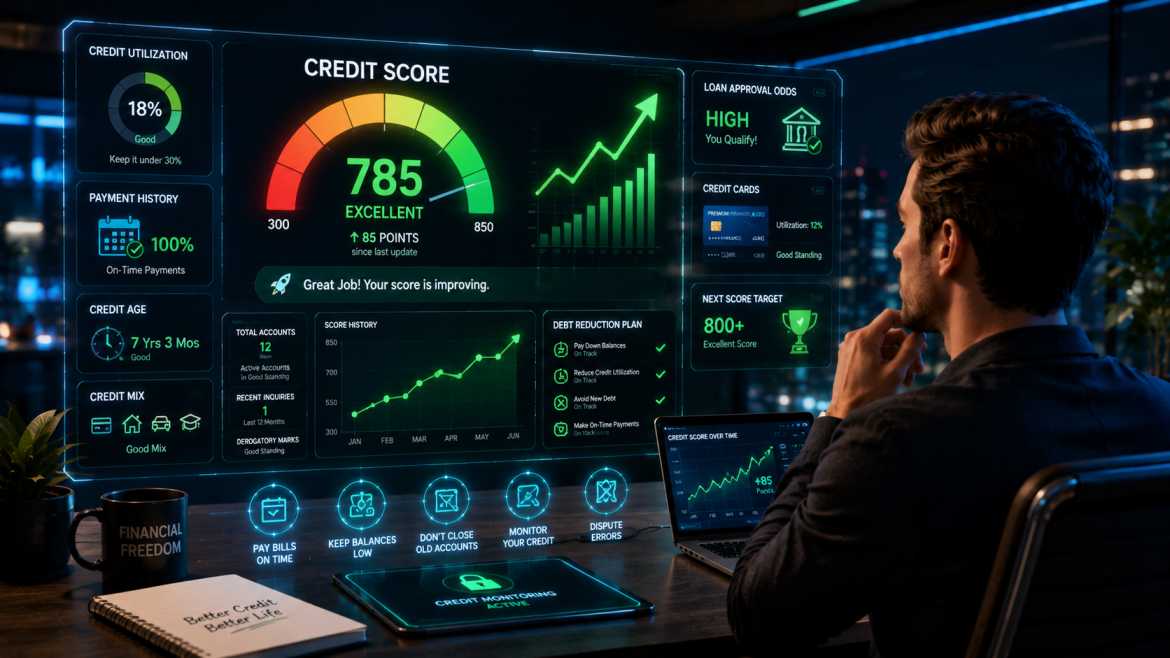
A credit score is one of the most important numbers in personal finance, yet many people do not fully understand how it works until they need it. Whether someone wants to buy a car, rent an apartment, apply for a personal loan, get approved for a mortgage, or even qualify for certain jobs, credit scores often play a major role in financial decisions.
In today’s financial system, lenders use credit scores to evaluate how responsibly a person manages borrowed money. A strong credit score can lead to lower interest rates, easier loan approvals, better credit card offers, and improved financial opportunities. On the other hand, a low credit score can create serious financial challenges, including loan rejections, higher borrowing costs, and limited access to credit.
Many people believe improving a credit score takes many years, but the truth is that some strategies can produce noticeable improvements faster than expected. While building excellent credit usually requires consistency and patience over time, certain habits and financial decisions can help improve scores relatively quickly.
One reason credit scores matter so much is because they affect the total cost of borrowing. Even a small difference in interest rates can save or cost thousands of dollars over the life of a loan. This is why improving credit is not only about approval chances but also about long-term financial health.
Another important reality is that many people damage their credit scores without realizing it. Late payments, high credit card balances, unnecessary debt, and poor financial habits often hurt credit slowly over time. The good news is that responsible financial behavior can also rebuild credit gradually.
Technology has also changed credit management significantly. In 2026, people can track credit scores through mobile apps, monitor reports instantly, automate payments, and receive financial alerts more easily than ever before. However, technology alone cannot replace financial discipline and smart money management.
In this article, we will explore practical and realistic ways to improve your credit score fast, explain how credit scores work, identify common mistakes that hurt credit, and discuss strategies that can strengthen your financial profile over time.
What Is a Credit Score?
A credit score is a numerical representation of a person’s creditworthiness.
Lenders use this number to estimate how likely someone is to repay borrowed money responsibly.
Why Credit Scores Matter
Credit scores affect:
- Loan approvals
- Interest rates
- Credit card eligibility
- Mortgage applications
- Apartment rentals
- Insurance pricing in some cases
Higher credit scores usually lead to better financial opportunities.
How Credit Scores Are Calculated
Credit scoring systems evaluate several financial factors.
Main Factors Include
Payment History
Whether bills and debts are paid on time.
Credit Utilization
How much credit is being used compared to available limits.
Credit History Length
How long credit accounts have existed.
Credit Mix
Different types of credit accounts.
New Credit Inquiries
Recent applications for loans or credit cards.
Understanding these factors helps people improve scores more effectively.
Pay Bills on Time
Payment history is one of the most important parts of a credit score.
Why Late Payments Hurt Credit
Missed or delayed payments signal financial risk to lenders.
Even one late payment can reduce a credit score significantly.
Best Strategy
Always pay:
- Credit cards
- Loans
- Utility bills
- EMIs
- Other financial obligations on time
Helpful Tips
- Set automatic payments
- Use payment reminders
- Track due dates carefully
Consistent on-time payments are one of the fastest ways to rebuild credit strength.
Reduce Credit Card Balances
Credit utilization has a major impact on credit scores.
What Is Credit Utilization?
It measures how much credit is being used compared to the total available credit limit.
Example
If someone has:
- A $10,000 limit
- And uses $8,000
Their utilization ratio is 80%.
High utilization often lowers credit scores.
Ideal Credit Utilization
Many financial experts recommend keeping utilization below:
- 30%
- Ideally under 10% for strong credit
Why This Helps
Lower balances show lenders that credit is being managed responsibly.
Paying down balances quickly can sometimes improve scores relatively fast.
Avoid Missing Payments
Missed payments remain on credit reports for years in many systems.
Why Consistency Matters
Lenders prefer borrowers with reliable payment histories.
Helpful Habits
- Pay early whenever possible
- Avoid minimum-payment dependence
- Maintain emergency savings
Strong payment habits build financial trust over time.
Check Your Credit Report Regularly
Errors on credit reports can sometimes damage scores unfairly.
Common Credit Report Errors
- Incorrect balances
- Fraudulent accounts
- Identity theft
- Reporting mistakes
Why Monitoring Matters
Reviewing reports helps identify problems early.
Correcting errors may improve scores faster than expected.
Avoid Applying for Too Much Credit
Every time someone applies for new credit, lenders may perform a hard inquiry.
Why Too Many Applications Hurt Scores
Multiple inquiries can signal financial stress or risky borrowing behavior.
Smart Approach
Only apply for credit when truly necessary.
Avoid opening many accounts within short periods.
Keep Old Credit Accounts Open
Credit history length affects scores.
Why Older Accounts Help
Longer credit histories provide more data about financial behavior.
Closing old accounts may reduce:
- Average account age
- Total available credit
This can sometimes lower scores.
Important Tip
Keeping older accounts open may strengthen long-term credit profiles.
Use Credit Responsibly
Good credit is built through consistent responsible behavior.
Healthy Credit Habits Include
- Paying balances on time
- Avoiding overspending
- Keeping balances low
- Using credit moderately
Responsible credit use builds trust with lenders gradually.
Diversify Credit Types Carefully
Credit scoring systems often consider credit mix.
Examples of Credit Types
- Credit cards
- Auto loans
- Mortgages
- Student loans
Why Credit Mix Matters
Managing different account types responsibly can strengthen credit profiles.
However, people should never borrow unnecessarily just to improve credit mix.
Become an Authorized User
In some situations, becoming an authorized user on another person’s account may help build credit.
How It Works
If the primary account holder has:
- Good payment history
- Low balances
- Strong credit habits
The authorized user may benefit from that positive account history.
Important Warning
Poor account management by the primary user can also negatively affect credit.
Negotiate Outstanding Debts
Unpaid debts can severely damage credit scores.
Helpful Actions
- Contact lenders
- Negotiate payment plans
- Settle outstanding balances
- Avoid ignoring debt collectors
Addressing old debts often improves financial health significantly.
Avoid Maxing Out Credit Cards
Using too much available credit signals higher financial risk.
Why Maxed-Out Cards Hurt Credit
High balances increase utilization ratios dramatically.
Better Strategy
Spread spending across accounts while keeping balances manageable.
Build Emergency Savings
Emergency savings indirectly help credit scores.
Why Savings Matter
Unexpected expenses often lead people into:
- Missed payments
- High credit card debt
- Financial stress
Emergency funds reduce reliance on borrowing during difficult situations.
Limit Financial Stress
Financial stress often leads to poor decisions.
People under stress may:
- Miss payments
- Overspend
- Ignore financial obligations
Helpful Financial Habits
- Budgeting
- Expense tracking
- Saving consistently
Good financial organization supports better credit management.
Avoid Co-Signing Risky Loans
Co-signing makes someone legally responsible for another person’s debt.
Why This Can Be Dangerous
If the borrower misses payments, the co-signer’s credit may also suffer.
Careful consideration is extremely important before co-signing.
Use Budgeting to Improve Credit
Budgeting helps control spending and debt.
Benefits of Budgeting
- Better payment management
- Reduced overspending
- Improved financial awareness
Financial stability often supports stronger credit over time.
Understand Interest Rates
Poor credit often leads to higher interest rates.
Why This Matters
Higher rates increase borrowing costs significantly.
Improving credit may help reduce:
- Loan costs
- Credit card interest
- Mortgage expenses
Strong credit saves money long term.
Avoid Payday Loans and Predatory Debt
Some high-interest lenders target financially vulnerable people.
Problems With Predatory Loans
- Extremely high interest
- Debt cycles
- Financial instability
Avoiding these products protects both finances and credit health.
Be Patient With Credit Improvement
Some credit improvements happen quickly, while others take longer.
Important Reality
Building strong credit usually requires:
- Consistency
- Patience
- Responsible financial habits
Quick fixes rarely create lasting results.
How Long Credit Improvement Takes
The timeline depends on:
- Existing debt
- Payment history
- Credit utilization
- Negative marks
Positive Habits Usually Show Gradual Improvement
Many people notice improvements after:
- Reducing balances
- Making consistent payments
- Avoiding new debt
Technology and Credit Monitoring
Modern financial technology has simplified credit management.
Today, people can:
- Monitor scores through apps
- Receive fraud alerts
- Track spending instantly
- Automate payments
Technology improves financial awareness and organization.
Common Mistakes That Hurt Credit Scores
Many people unintentionally damage their credit.
Common Credit Mistakes Include
- Late payments
- High credit utilization
- Frequent credit applications
- Ignoring debt
- Closing old accounts unnecessarily
Avoiding these mistakes helps protect long-term financial health.
The Psychological Side of Credit Management
Money habits are often emotional as well as financial.
People sometimes overspend because of:
- Stress
- Social pressure
- Impulse buying
- Lifestyle inflation
Improving financial discipline often improves credit naturally.
Why Credit Scores Matter Beyond Loans
Credit scores affect more than borrowing.
In some situations, they may influence:
- Apartment approvals
- Employment opportunities
- Insurance pricing
Good credit often creates broader financial flexibility.
Financial Discipline Builds Strong Credit
Strong credit is usually a reflection of healthy financial habits.
Important Habits Include
- Living within means
- Paying bills consistently
- Avoiding unnecessary debt
- Planning ahead financially
Credit improvement is often connected to overall financial stability.
Long-Term Benefits of Good Credit
Strong credit provides several long-term advantages.
Benefits Include
- Lower interest rates
- Easier loan approvals
- Greater financial opportunities
- Reduced borrowing costs
Good credit also improves financial confidence and flexibility.
Final Thoughts
Improving your credit score fast is possible, but it requires smart financial habits, consistency, and patience. Strategies like paying bills on time, reducing credit card balances, monitoring credit reports, avoiding unnecessary debt, and managing spending responsibly can significantly improve credit health over time.
While some improvements may appear relatively quickly, truly strong credit is usually built through long-term financial discipline and responsible money management. The most effective approach is focusing not only on increasing the score itself but also on improving overall financial stability and habits.
A good credit score is more than just a number. It represents trust, reliability, and financial responsibility. Strong credit can open doors to better opportunities, lower costs, and greater financial freedom in the future.